Exploring the cultural nuances of gambling around the world
Exploring the cultural nuances of gambling around the world
The Historical Context of Gambling
Gambling has deep historical roots across various cultures, with practices dating back to ancient civilizations. In places like China, games of chance were recorded as early as 2300 BC, reflecting an early acceptance of gambling as a social activity. Ancient Greeks and Romans also engaged in gambling, associating it with both leisure and competition, which indicates its long-standing presence in human culture. Today, many people seek out online betting sites to engage in these traditional practices in a modern format.

Throughout history, gambling has evolved, influenced by societal norms and regulations. For instance, during the Middle Ages in Europe, gambling was often associated with vice, leading to fluctuating attitudes ranging from acceptance to outright bans. This historical context lays the groundwork for understanding how cultural perceptions of gambling have shifted over the centuries.
Regional Variations in Gambling Practices
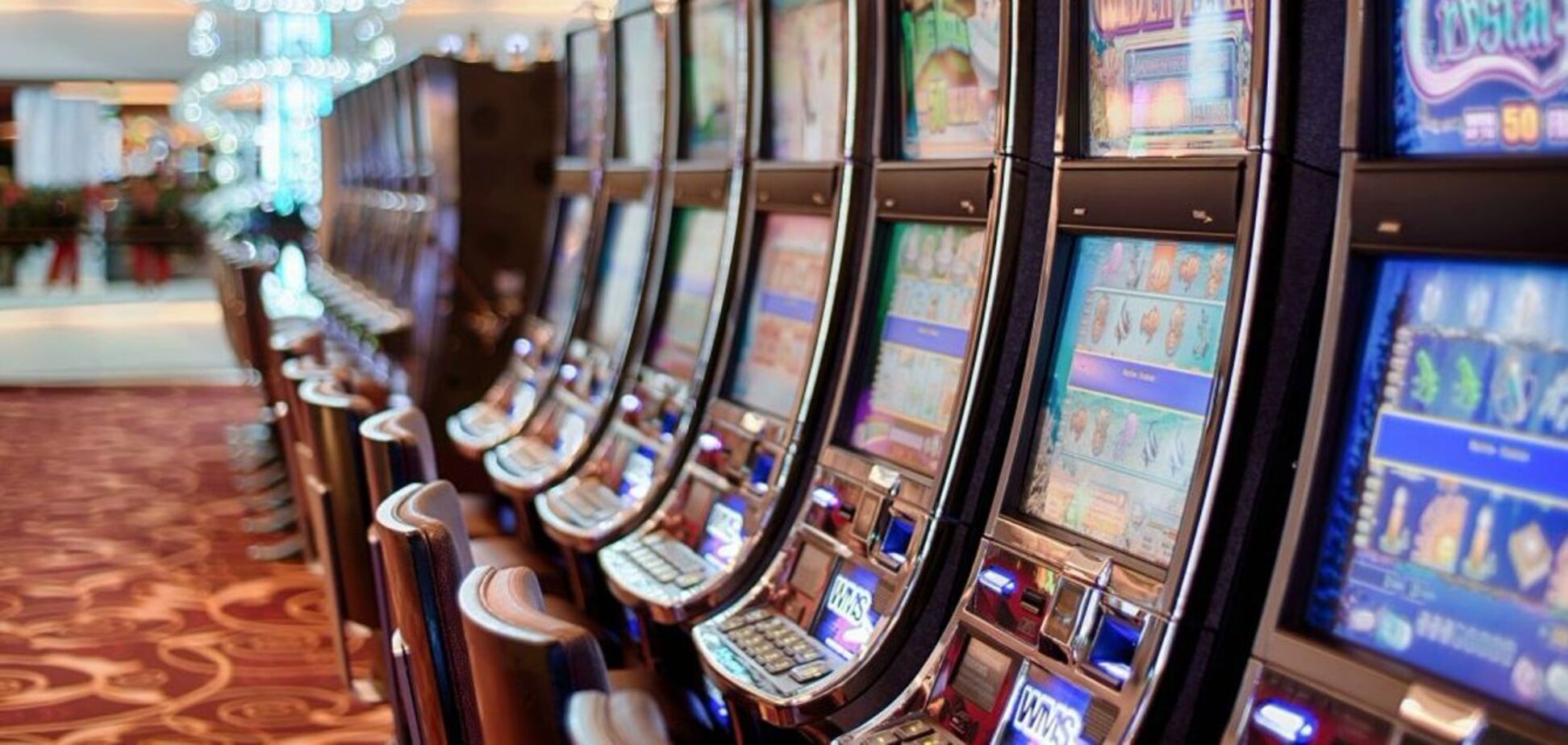
In North America, gambling has taken on a distinct character, particularly with the rise of casinos in Las Vegas. This city has become a global hub for gambling, attracting millions of visitors each year. The culture surrounding gambling in the U.S. often blends entertainment with the thrill of chance, marked by a casual approach to betting.
Conversely, in many Asian cultures, gambling is often intertwined with tradition and family gatherings. Games like Mahjong hold significant cultural weight, symbolizing social ties rather than just a means to win money. This stark contrast showcases how regional attitudes and customs shape the gambling landscape uniquely around the world.
The Role of Technology in Modern Gambling
The advent of technology has revolutionized the gambling industry, particularly with the rise of online casinos and sports betting platforms. In many parts of the world, people can now engage in gambling from the comfort of their homes, which has significantly broadened the accessibility of gambling activities. The integration of technology has also introduced new forms of gambling, such as eSports betting, catering to younger demographics. This modernization is an integral part of the future of gambling.
However, this shift has also raised concerns about responsible gambling and addiction. Different cultures are approaching these challenges in varied ways, with some countries implementing strict regulations while others promote an open market for online gambling. The balancing act between innovation and consumer protection remains a critical discussion in contemporary gambling culture.
Gambling and Social Perceptions
Cultural perceptions of gambling can greatly influence individual behavior and societal acceptance. In some cultures, gambling is celebrated as a form of entertainment and social bonding, while in others, it may be viewed as taboo or morally questionable. For instance, in many Western societies, there is a growing acceptance of gambling as a legitimate form of leisure, supported by the expansion of legal gambling establishments.
In contrast, in regions where gambling is stigmatized, individuals may face social repercussions, leading to a more secretive approach to gambling. These varying perceptions affect not only individual gamblers but also the regulatory framework within each region, shaping the future of gambling around the globe.
About Us
Our platform aims to provide comprehensive insights into the diverse world of gambling, exploring cultural nuances that affect how people engage in this age-old practice. We focus on delivering accurate information and valuable resources, catering to both novice and seasoned gamblers.
Through thorough research and expert analysis, we strive to enhance your understanding of gambling across different cultures. Join us in this journey to explore the multifaceted world of gambling and stay informed on the latest trends and practices globally.